

The First City is a solo playthrough of the tabletop RPG Ironsworn. ⚔️
New to the series? Check out the introduction.
In the previous session, Lucia sojourned in the village of Timberwall after saving the life of Pendry, the village chief’s son. Shortly thereafter, she was falsely accused of the attack on Pendry and arrested by village wardens.
Today, Lucia meets new allies and enemies in the lead-up to her trial.
🎬 A video recording of this session is coming soon!
Subscribe to the Making Mythology YouTube channel to be notified when it drops.
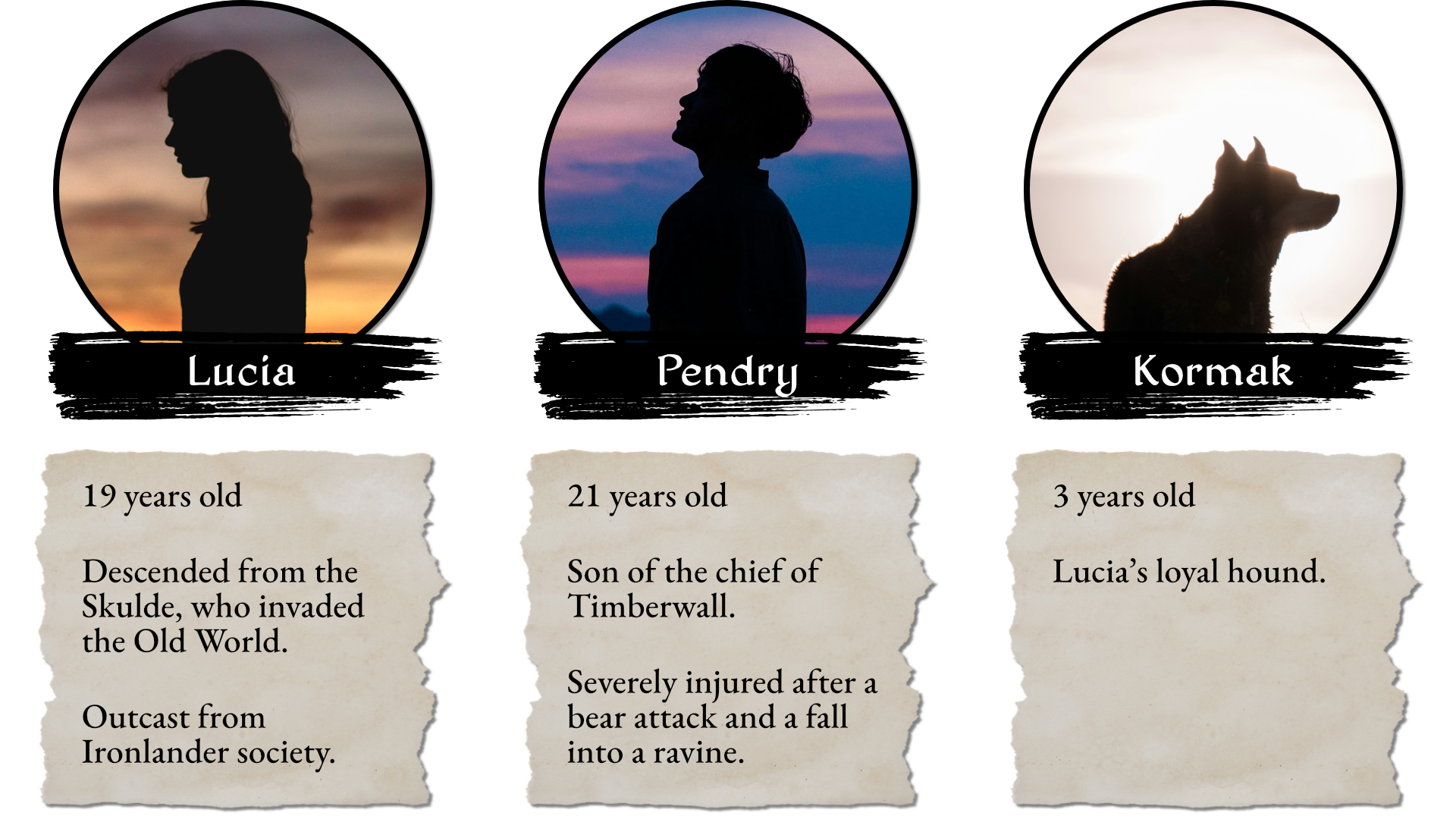
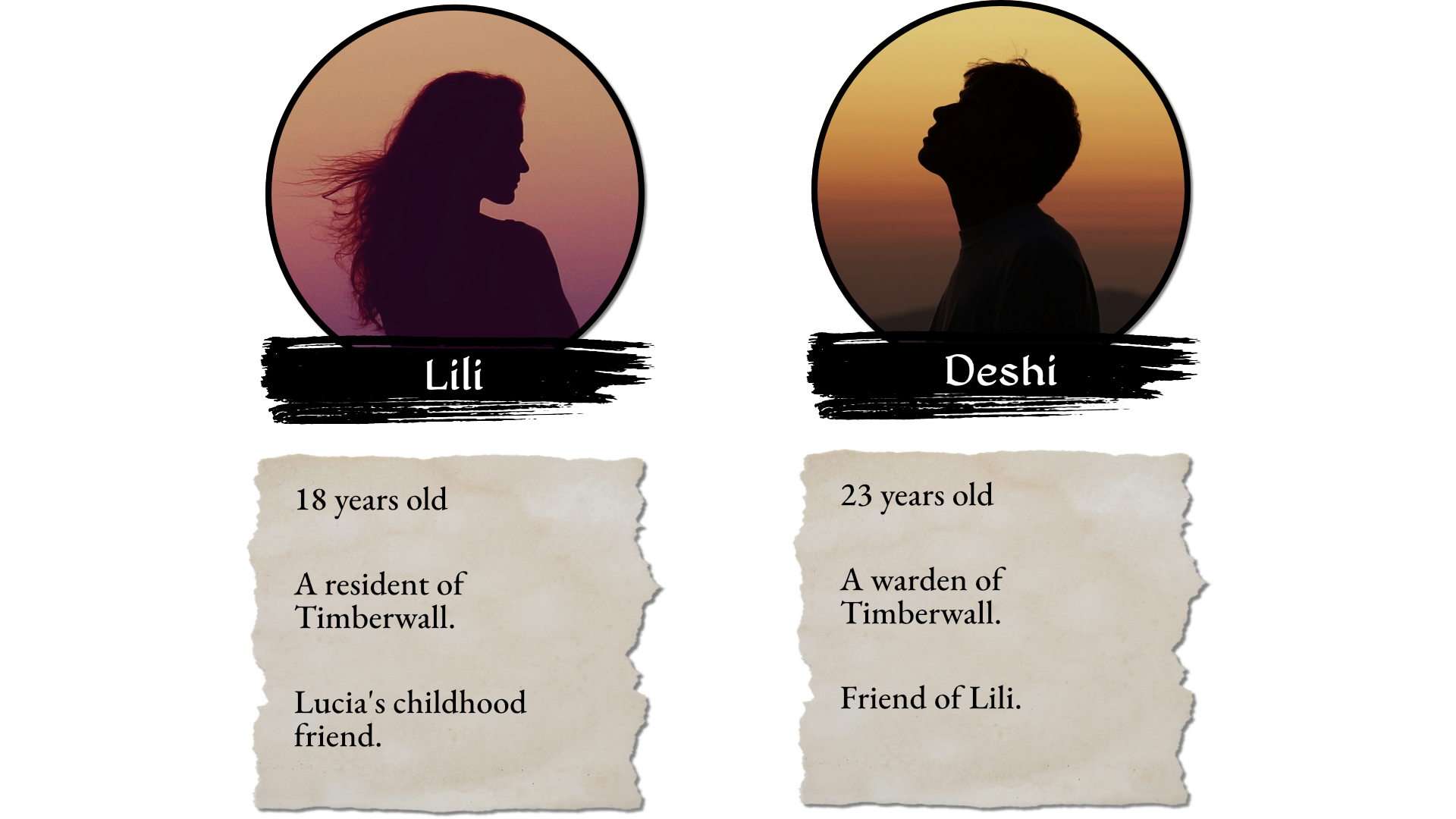
Characters
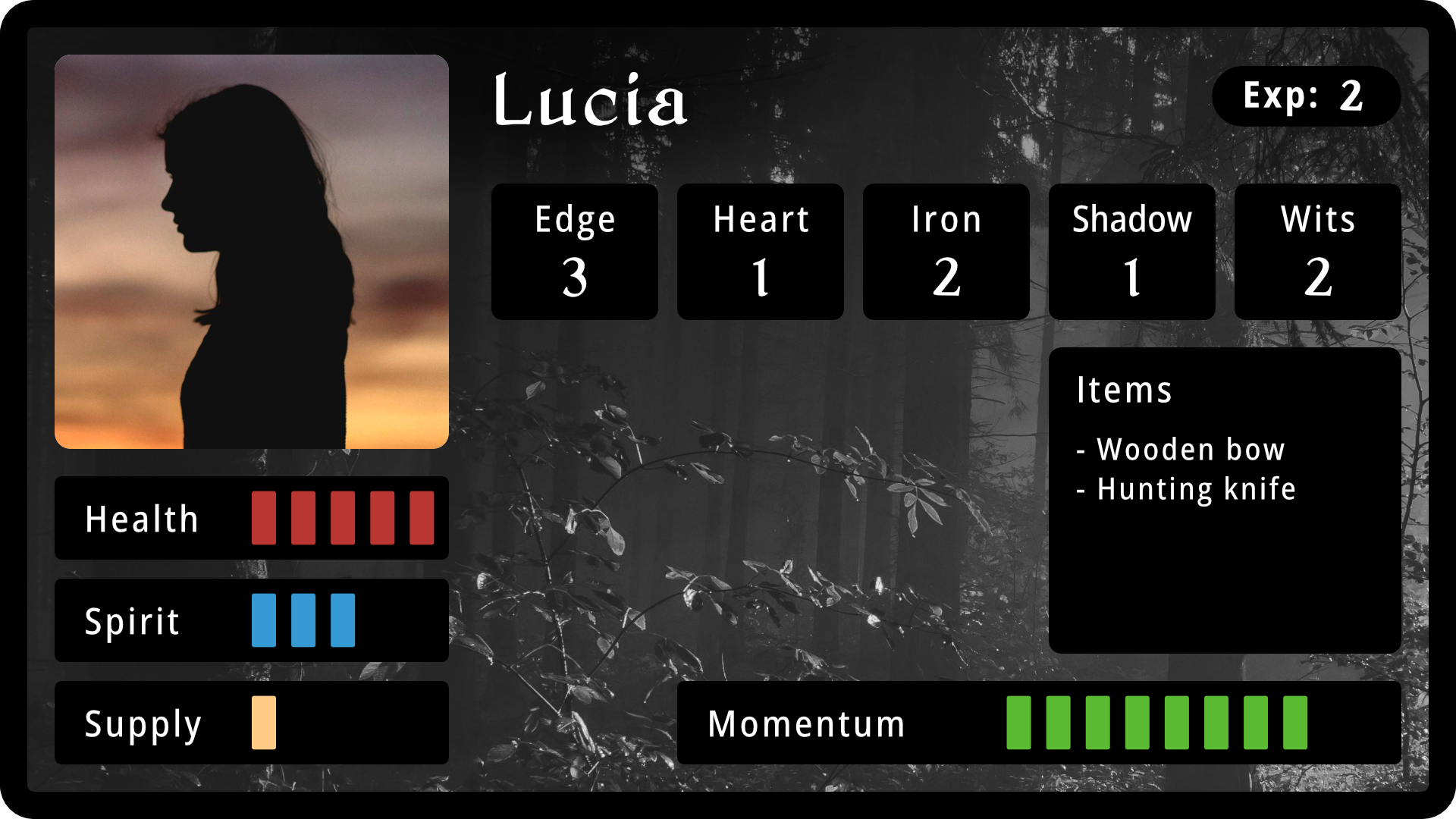
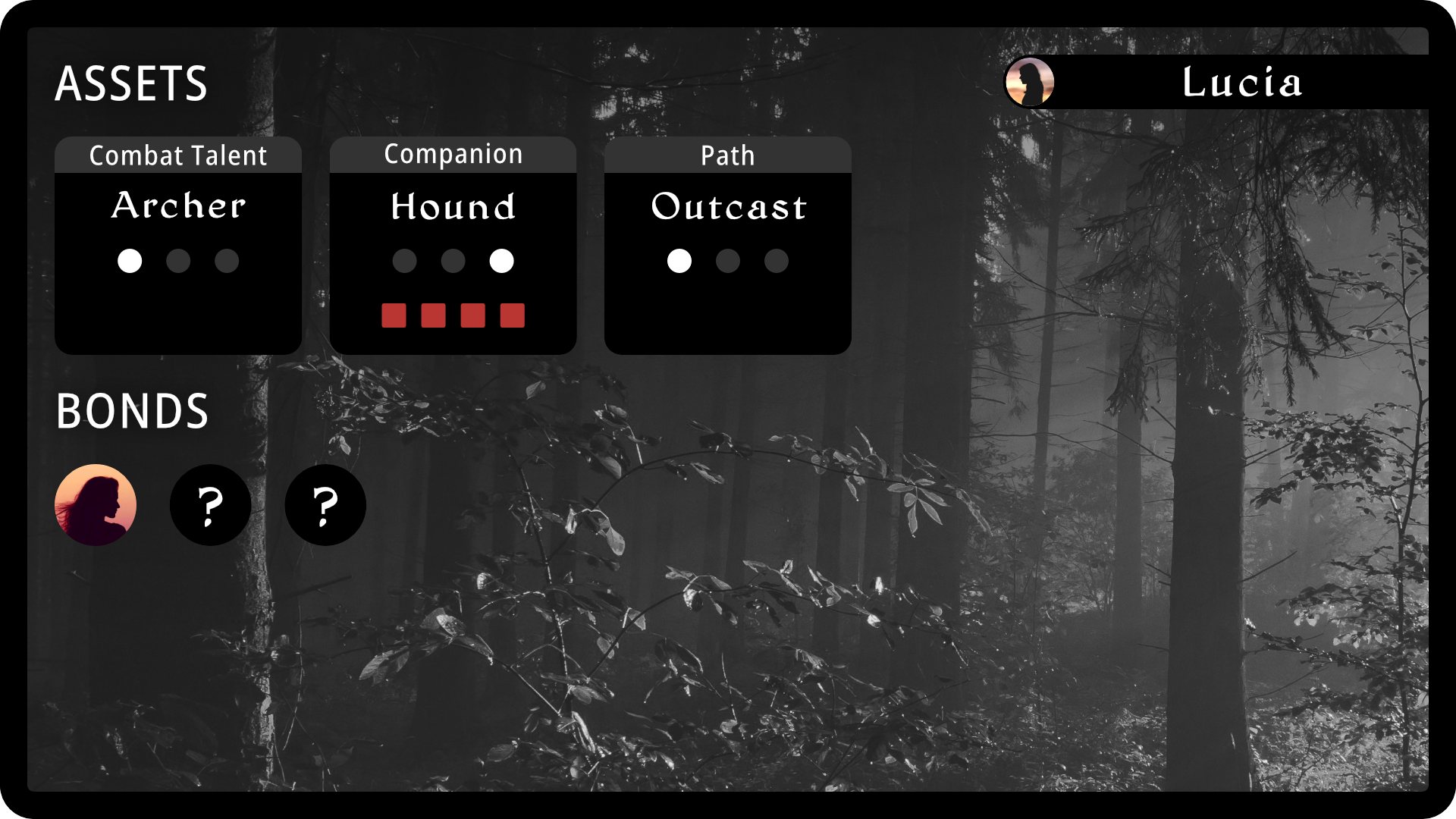
Player Character Sheet

Gameplay

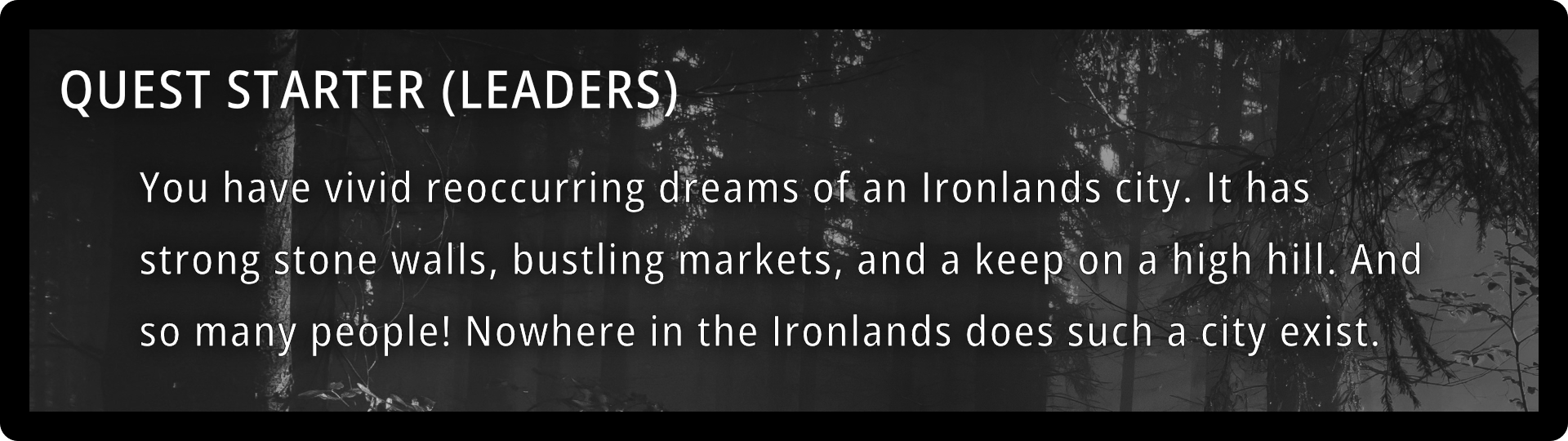
Lucia was lost in a dream.
Standing in the middle of a bustling market square bursting with the energy and noise of countless masses of people moving about their business, the thought occurred to her—in that vague, half-formed way that is common in dreams—that she had never been in this place before, had never seen these people.
In the distance, a wall rose high above the meandering crowds, its battlements patrolled by men and women wearing the familiar red cloaks of the wardens of Timberwall. Unlike the crude wooden palisades of the village, though, this wall was made of stone, and Lucia pitied any army that might attempt to overcome its defenses.
In the space of a breath, the scene shifted. Rather than a bright marketplace bathed in sunlight, she found herself sitting at a table in a small room, the interior dimly lit by moonlight streaming in through a pair of narrow windows. She looked down. The table was strewn with what seemed to be flat, cream-colored leaves covered in strange symbols that she couldn’t understand.
“Do you think they’ll arrive tomorrow?” A familiar voice.
She looked up.
Lili was there, standing in the doorway, and she looked radiant. With the dignity of a queen, she wore a finely woven cloak pinned elegantly at her shoulder with an ornate iron clasp. Lucia marveled at the skill it must have taken to craft such a garment, and the semiconscious part of her that remembered the shabby realities of Ironlander fashion wondered who had made it.
Lili stared at her, waiting for an answer to her question, and while the waking Lucia would have had no idea what her friend was talking about, the Lucia in this dream seemed to know exactly what to say.
“It’s as likely a day as any. Though we mustn’t be caught sitting on our hands if they should fail to turn up.”
The response seemed to satisfy Lili, who gave a slight nod.
“And what about the harbinger?” she asked.
Harbinger.
There was something about that word that sparked a glint of recognition in Lucia’s brain, as if by reaching out her hand she might pluck the word from the air and with it realize the solution to a million tangled problems.
In the sleep-locked recesses of her mind, she reached for it, aiming the rapidly dissolving fragments of her consciousness toward the meaning, the salvational significance, of “harbinger,” but before she could quite grasp it, she was—
Awake.
Hempen rope was tied around her wrists, uncomfortably tight, digging into her skin.
She was sitting up on a hard wooden bench, but she must have fallen asleep. As wakefulness slowly restored her awareness of exactly where she was and how she’d gotten there, Lucia recognized the interior of the prison hut where Timberwall kept alleged criminals until they could be brought to trial.
There was nothing barring her movement save for the rope ensnaring her wrists, but there was a warden with axe and spear standing just outside the open doorway.
Lucia remembered now. The accusation. The arrest. The imprisonment. She had been charged with Pendry’s attempted murder by a lieutenant warden, been captured while trying to get away, then been unceremoniously thrown into this gods-forsaken place.
And now, she was trapped.

Lucia sat there for a while, thinking through her options.
She didn’t have much hope for rescue in Timberwall. She had Kormak, but she had no idea where the hound was. Hopefully, somewhere safe. Hopefully, with Lili.
Lili.
If she had seen where Lucia had been taken, she could follow and… And what? What would Lucia have her friend do against a warden armed with a spear and axe?
Lucia’s thoughts chased each other endlessly in circles, until at one point she glanced up and noticed that the warden guarding the doorway looked strangely familiar. His back was turned, but the thick, dark curls of hair that fell nearly to his shoulders made his silhouette nearly unmistakable.
“Shekhar?”
A slight stiffening of the shoulders, then an almost inaudible sigh were the only signs of recognition the man gave before he reluctantly turned around.
Lili’s older brother, Shekhar.
He and Lucia had never been close, but she’d seen him often enough while growing up to know him by sight.
“Lucia.”
“Release me, Shekhar,” she said, and it both surprised and shamed her to notice the slight tremble of fear in her voice.
He didn’t respond.
She tried again. “I have been falsely accused. Untie me and let me get away before the wardens come for me.” A brief pause, then: “Please.”
“I cannot do that,” Shekhar said softly.
“I have done nothing wrong—”
“That is for the council to decide…” His voice getting louder now.
“—there is a madness in this place. Can you not feel it?” Her volume rising to match his. “A senseless hostility that will rise up and consume me if I don’t escape—”
“No danger will come to you provided you prove your case to the council…”
“—the council may lie to condemn me just as they have lied to accuse me—”
“I would not have so little faith in the council that—”
“For the sake of your sister, who has been my only friend in this gods-forsaken world, please—let me go!”
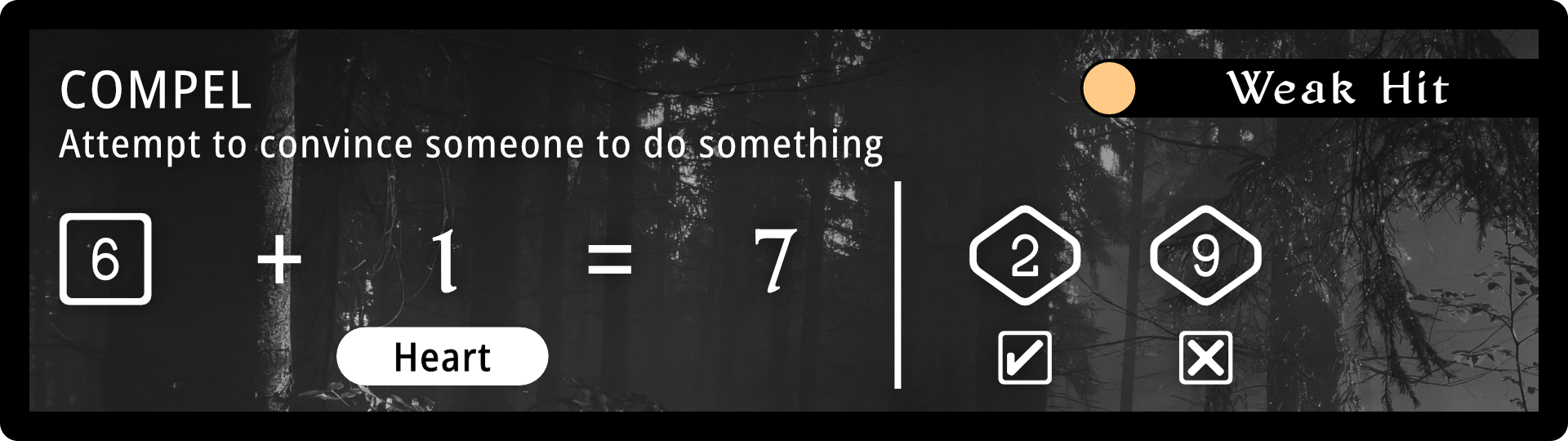
“For the sake of my sister, you should not even be asking such a thing!” Shekhar snarled.
Lucia fell silent.
“There is a madness in this village,” he hissed. “You think me unaware? I have lived here all my life, and you have not! A foul spirit has taken hold here in recent seasons. A malignant paranoia, a hatred of outsiders, that’s turned people shameless and cruel.
“And I pity you! I am sorry you have found yourself here in such a time as this, when you might be made sacrifice to the unjust will of selfish men.
“But you would ask me to save you at the risk of my own family—that danger and ruin may be deflected from you but instead land on my parents, my sister, or me. And that…” Here, Shekhar faltered. “That I cannot do. I am… I am sorry.”
He became quiet but was breathing hard, as if winded from a long run.
A silence fell between them for a long while.
When he spoke again at last, it was to say the last thing Lucia expected, but which perhaps should not have been such a surprise, since throughout her life, she had known Shekhar to be at times youthful, moody, or inscrutable—but never unkind.
“If I do what you ask,” he said quietly, “you must leave, and never come back. I can direct all blame at myself for letting you escape, but that is the kind of thing I could only do once. For your sake—and Lili’s sake—you cannot be in Timberwall.”
Lucia thought for a moment, suddenly uncertain as to the rightness of what she was asking.
“Come on, then,” Shekhar said as he walked forward and knelt down to start to undo the bonds around her wrists.
“Shekhar!” A woman’s voice called out suddenly from outside the prison hut, and at the sound Shekhar froze, then hurriedly stood up and backed away from Lucia, a look of panic and regret on his face.

In the doorway appeared a warden—a tall woman with blonde hair and a proud bearing, powerfully built, limbs thick with muscle and fat. From where she was sitting, Lucia stared up at the woman with no small amount of awe; she would have hated to face her in a wrestling match.
The large woman looked back and forth between Lucia and Shekhar, a hint of suspicion lightly furrowing her brow.
“Everything all right in here?” she asked.
“It’s fine, Perella,” Shekhar mumbled, glancing at Lucia with what seemed to be a measure of sadness and concern before turning his gaze toward his fellow warden. “Time for a change of guard?”

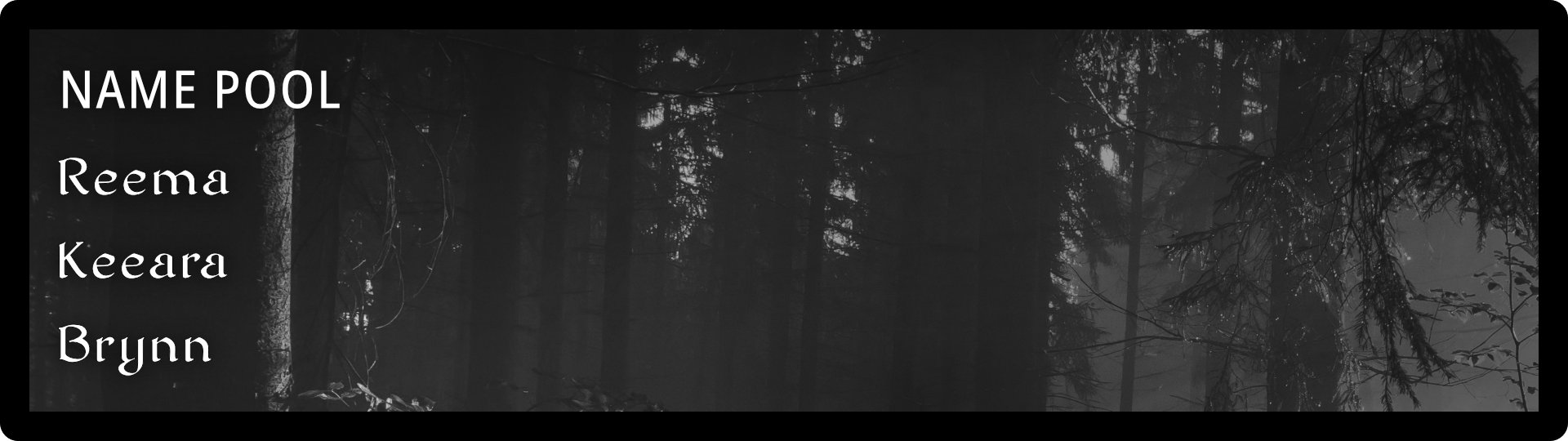
Perella shook her head. “The lieutenant’s asking for her.”
Out of the corner of her eye, Lucia saw Shekhar’s expression shift to one of utter dread as Perella went on: “She’s going to see Yorath.”
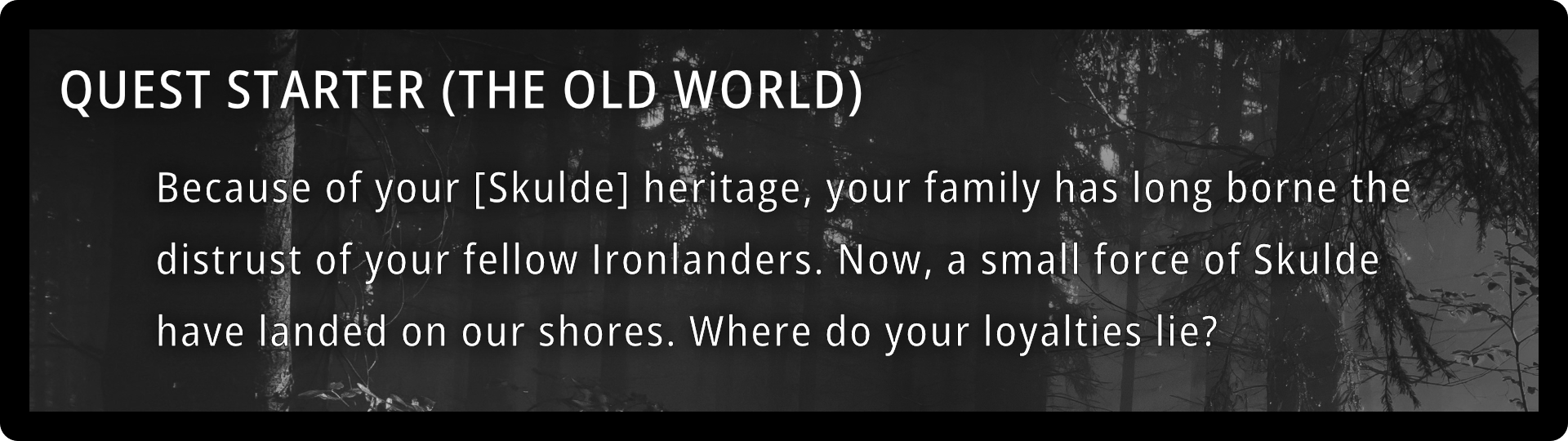
Yorath was an angry-looking warden in his late thirties, a veteran of countless minor skirmishes, who exuded the air of a man frustrated and perplexed by his perpetual role as second-in-command to people gifted with far more charisma and brains than he.
Frowning from behind a thick black beard, he glared at the prisoner bound and seated at the table before him.
“We have witnesses placing you and your filthy dog by Prince Pendry’s side while he lay dying at Timberwall’s gate.” He spoke as though presenting ironclad proof of guilt.
“They witnessed me bringing him to the village, because that is what I did,” Lucia replied, raising her chin and defiantly meeting his gaze. “I saved him.”
“Hardly saved!” the lieutenant spat back. “His clothes were soaked through with blood! The bones in his leg were broken. It took all the skill of our best healers to pull him back from death’s shade.”
“A bear did that. It chased us and raked its claws across his back. Then Pendry fell from a great height. I fell too. Look at me!” She raised her bound wrists insistently toward the warden, showing him the bloodstained bandages wrapped around her hands. “You think I did this to myself?”
“I wouldn’t claim to know what sorts of madness or treachery a Skulde is capable of.”
The sudden turn in the conversation took Lucia aback. The whole confrontation felt like some nonsensical game that she didn’t want to play. But she had no choice. She was playing for her life.
“My family,” she began a bit unsteadily, “have lived in the Ironlands for generations, and never have we committed an act deserving of suspicion or scorn—”
“Isolation makes cowards out of scoundrels!” Yorath slammed his fists on the table, pushed his chair away from the table and stood, looming over Lucia as he continued his rant. “We know that more of your wretched kind have landed on our shores.
“Long have you lived among us, lying in wait for the day when numbers would be on your side and the cost of betrayal would not be so dear. And now your chance has come, and you have tried to kill our prince and sow chaos amongst our people.” He put his palms on the table, leaned in toward Lucia. His voice lowered to a vicious hiss. “Do you deny it?”
She had no response. So many things had happened that day that didn’t make any sense; this was just the latest among them. All she knew was that she felt very tired.
Fresh out of patience, Yorath reached toward his belt and pulled out an iron dagger, stabbed it downward and stuck it into the wooden table in front of Lucia.
“Confess your guilt upon iron, and we may spare your life.”
Lucia stared at the knife on the table. Confessing on iron was a heresy, a perversion of the ancient Ironlander tradition of swearing iron vows, promoted by those who had little knowledge of native Ironlander custom and even less respect for it.
Although her family was not native to the Ironlands, they had been grateful to the land and its inhabitants for giving them a home, and Lucia’s parents had taught her from childhood to abide by its ways. Iron was for swearing vows, not confessing sins.
She looked up at the warden, stared him straight in the eye, and simply said, “No.”
“No?” Yorath’s frown deepened.
“No, I will not confess to something I did not do, and I would not defile iron by uttering such a lie.”
Yorath sneered something under his breath that Lucia couldn’t quite hear.
In that moment, something snapped in her mind. Whether from weariness brought on by the events of the day, or a deeper exhaustion stemming from the sorrows of a lifetime, a steely resolve seemed to lock into place inside her, and it refused to let her be dragged along like a helpless swimmer in a current.
Before Yorath could stop her—and before she could stop herself—she had grabbed the knife from the table, grasping it in her hands, which were still bound tightly together with rope. But she didn’t hold the weapon by the handle; she held it by the blade. Gripping it in the palms of her hands, so tightly she knew she would regret it, Lucia swore her solemn vow:
“I swear upon iron that I will clear my name and disprove your lies.”
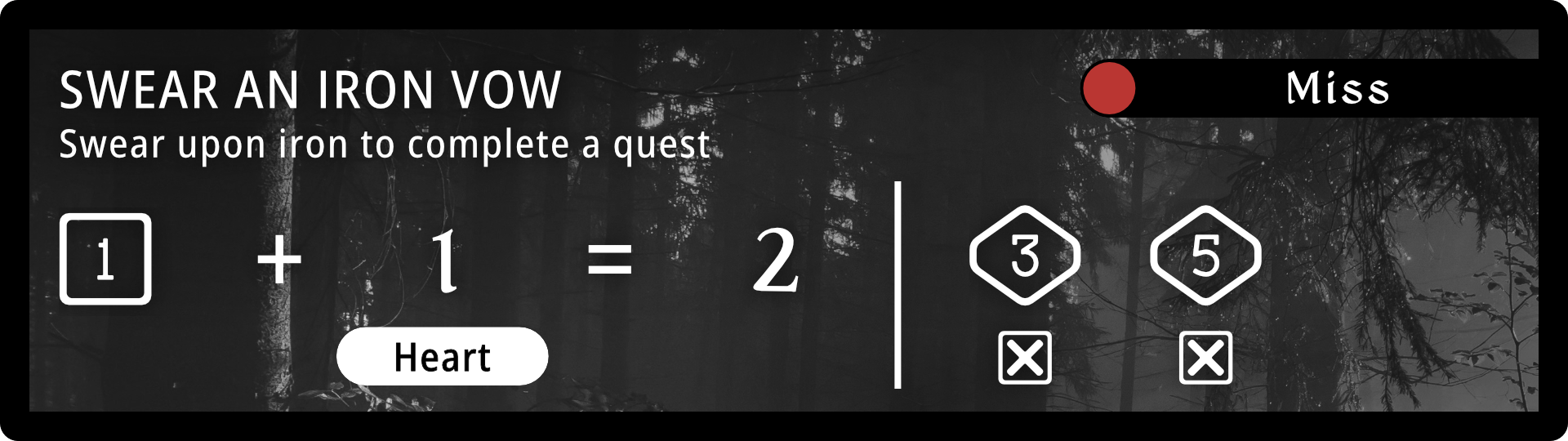

As she released her grip, the knife dropped out of her hands and clattered dully on the table. A few drops of blood dripped down from where her death grip on the blade had cut into her palms.
Yorath said nothing as he stared down at the fallen weapon.
After a long, silent moment, he looked back up toward Lucia and said, “The trial is tomorrow. Tonight, you will spend in prison.”

Back in the prison hut, Lucia found herself guarded by the large woman, Perella.
Although she hadn’t visited Timberwall in almost two years, she was fairly confident that she had seen all of the low-ranking wardens of the settlement at least once, especially those who regularly manned the village gate and allowed visitors in and out. Perella wasn’t one of these. Lucia had never seen her before in her life.
At one point, the warden turned her head and noticed Lucia staring at her.
“Can’t say I’m not flattered,” the woman said with a cocky smile, “but it is a bit rude to stare at a person, you know.”
“I’ve just never seen you before, and I thought I knew most of the wardens in this village.”
“Well, not this one.” Perella placed the spear she was holding aside and turned fully to face Lucia. The woman was huge, as tall as most men Lucia had ever seen, and her muscular bulk formed an imposing silhouette against the open doorway. “I’ve only lived here about a year. I wasn’t born in Timberwall, in case you couldn’t tell.”
Ah, of course. How could she have missed it? In contrast to the other residents of Timberwall, who almost exclusively had dark hair, Perella’s locks were golden yellow, the color of a wheat field on a bright summer day. Not to mention, few people in Timberwall—man or woman—had quite this woman’s height and build.
A recent transplant to the village, then.
Lucia wondered whether a year was enough time for the village’s prejudice against her and her family to ingrain itself into the mind of a newcomer. She hoped not.
“I need to get a message to a friend of mine,” she pleaded. “I need to reach her before my trial tomorrow. Please, help me.”
Perella frowned. “That’s an awful large favor you’re asking. Yorath is not a benevolent man, and he wouldn’t look kindly on a warden aiding a prisoner. Tell me, why should I risk my career—and possibly my liberty and my life—to help you?”
Lucia had no good answer for her. Regardless, Perella went on.
“I’ve heard of you, you know. You’re a favorite topic of conversation at village gatherings when the otherwise overflowing well of gossip runs dry. ‘Skulde! Traitors!’ On and on they go.” The warden looked bored even at the memory of it.
“To be honest, it gets quite tedious,” she continued, “hearing people disparage folk who aren’t even present. I’ve been on the outskirts of social respectability myself, at times.” At this, a look of perturbation briefly crossed her face. “It’s always the worst people who say the worst things.”
There. There was an opening. It may have been her imagination, but Lucia thought she had felt a connection just now, a commonality of feeling (however tenuous) between two people who knew what it was like to be an outsider in a lonely land.
In a voice as steady and strong as she could manage, she said, “I have been an outcast all my life. Since my birth, this village has withheld its love from me, and now they seek to take from me so much more.” She looked Perella straight in the eye, willing her to hear her, to somehow understand.
“If they would have me stand trial for a crime I did not commit, then I will stand trial. I won’t go down without a fight. But I would have it be a fair fight. There is no justice when the prosecution is built on lies, but if I had an ally, at least I wouldn’t be fighting alone. And I have only ever had one ally in this awful, unjust place.”
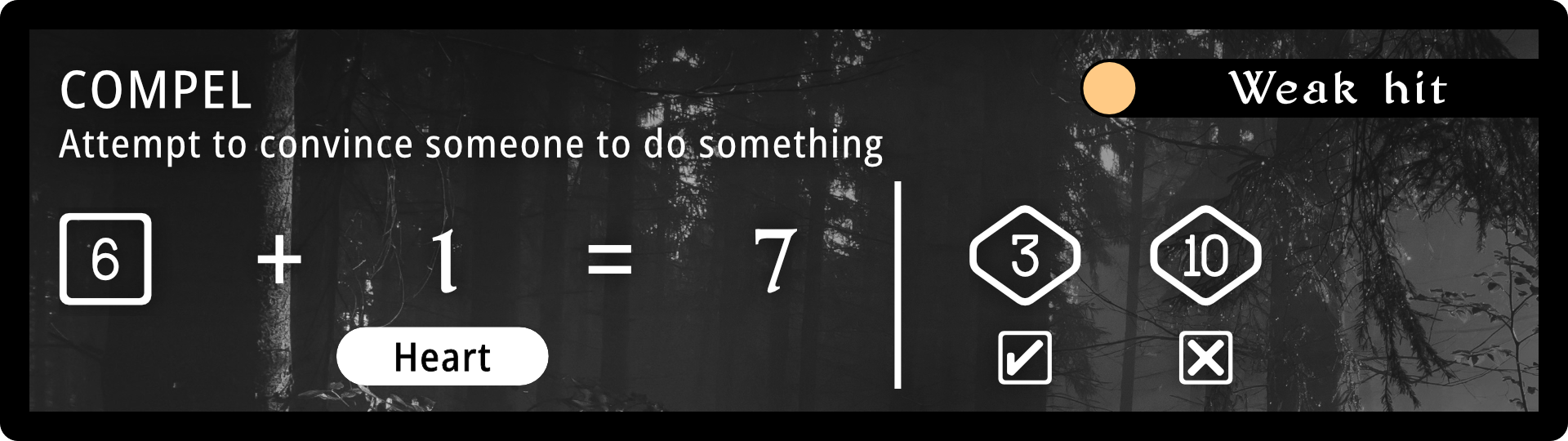
Perella was silent for a while, silent so long that Lucia thought the woman no longer wished to speak to her, and so her last embers of hope nearly flickered out. But after several seconds, which felt like hours, Perella spoke.
“All right, outcast. I’ll put my hide on the line for you. I’ve always thought I’d prefer an exciting life to an easy one.” She smiled bitterly. “But you must do something for me in return.”
“What is it?”
“Win. Win your trial, and prove to me that the worst people don’t always triumph.”
The warden headed back toward the doorway to resume her watch, but not before she and Lucia shared a brief look—not one of friendship, but of mutual understanding.
Without turning her head, Perella said as she walked away, “Deshi will be here soon to take over guard duty. I’ll have him summon your friend first.”

A while later, Lili rushed through the doorway and ran over to where Lucia was sitting, enveloping her in a tight embrace.
“They’re convening a council for your trial tomorrow,” she said as she pulled away and knelt down to stay at Lucia’s eye level. “A mix of village elders and high-ranking leaders, but I’m not sure which ones.”
Lucia said nothing as she listened to her friend.
“The composition of that council is key,” Lili continued gravely. “Many in this village are already biased against you, and it’ll be impossible to get a fair verdict if the judges are unable to look past their prejudices.
“That being said, there are people with integrity in this village, as hard as that may be for you to believe.” At this, Lucia smiled a little, and Lili was gratified to see her friend’s somber mood lighten, even if only slightly. “If the council contains even one person with wisdom and honor, you may be all right.”
Almost immediately, she corrected herself. “You will be all right.”
There was silence for a few moments before Lili went on.
“Unfortunately, your… lack of popularity means that you won’t have many witnesses to speak to your character.” She put a reassuring hand on Lucia’s shoulder. “But I will be there, my friend, and I will vouch for you.”

Long past midnight, Lucia could hardly sleep, anxious as she was about the impending events of the morning.
Deshi was standing at the doorway to the prison hut. His was the last shift of guard duty before Lucia’s trial was scheduled to start.
The young man looked conflicted and sad about the whole situation; Lucia almost felt sorry for him. She had only met Deshi the evening before, but he seemed like someone more inclined to bond with a person over a beer than to persecute a prisoner.
“Deshi, who is going to be on the council of judges at my trial tomorrow?”
She knew that he’d likely been instructed not to tell her anything, but with the trial so close, and with her in such a helpless position, any information he might be able to give her felt like a small consolation to ask for.
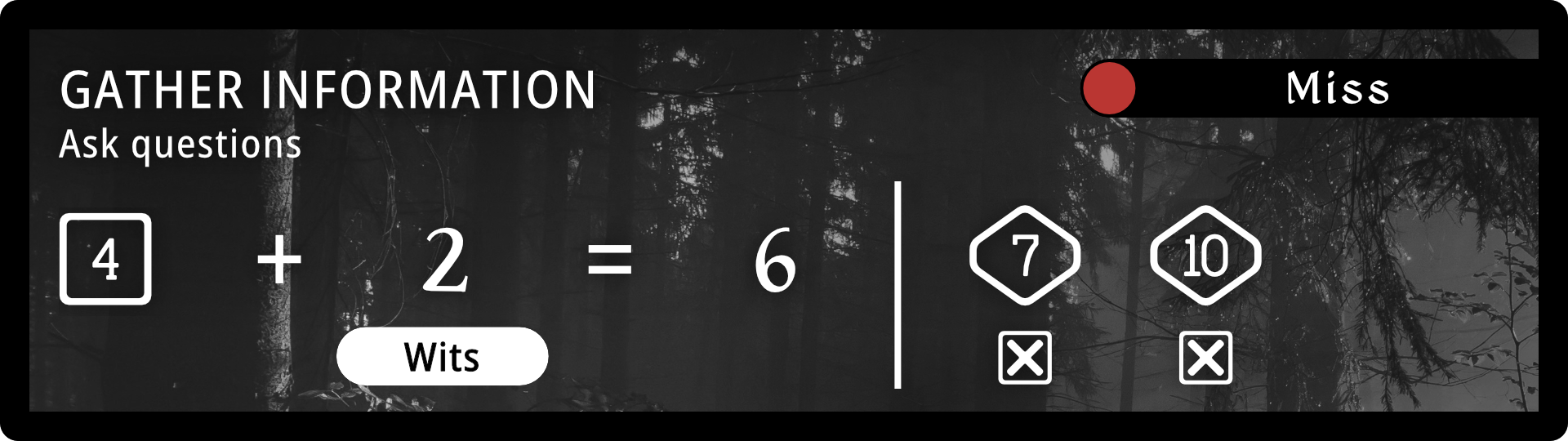

Deshi looked at her, considered for a moment, then sighed.
“It’s not looking good, I’m afraid.” he said. “The chief’s advisors have picked out most of the council of five already, though they’re being fairly secretive about who exactly the judges will be. I’ve heard that several of them have a strong hatred of the Skulde, and are seeing your trial as an opportunity to get a very belated form of revenge.”
Lucia’s heart sank as she heard this. It was hardly surprising news, though the expectation of it didn’t take away any of its sting.

As the first rays of dawn light began to show against a pink and orange sky, Lucia overheard Deshi speaking to someone outside. She wondered if it was another warden, here to take her away to her trial.
The next thing she knew, a woman had walked in through the doorway. Not a warden. She wasn’t wearing a warden’s cloak. Instead, she wore a simple yet elegant dress dyed a deep, rich red, the color of strawberry jam in the summertime. Her hair fell gracefully past her shoulders, dark brown touched with a hint of gray.
The woman stood in front of Lucia and looked down at her with an expression that was impossible to read.
“Do you know who I am?” the woman asked.
Lucia reached back into her memories, trying to remember for the life of her whether this woman was someone she was supposed to know.
Then it hit her. This was the wife of Timberwall’s chief.
Lucia didn’t know much about the ruling family of Timberwall. She’d never cared to pay them much attention; but she had seen them in passing on several occasions throughout the years when she and her family had stayed in the village.
The chief had seemed like a strong, serious man, with the muscular build of a hardened warrior and the unsmiling mien of one averse to overt displays of emotion. His wife, often to be found standing dutifully beside him, had exuded an elegance and strength all her own. What was her name…?
“I am the chief of Timberwall,” the woman said.
Noting Lucia’s look of surprise, she explained. “My husband died six seasons ago, and the line of succession led to me, as it will one day lead to my son. Pendry is my son, and I have come to ask you about the circumstances of his current condition.”
Lucia hardly knew what to say. Fortunately for her, the chief went on.
“Did you try to murder my son?” she asked.
“No! I saved him.”
“Hardly saved,” the chief whispered, and for the first time, Lucia noticed the lines of stress in the woman’s face, the signs of exhaustion and grief that gave the lie to her otherwise cool, composed demeanor.
What the chief said next took Lucia by surprise.
“I have been chosen to be one of the five judges at your trial. If you were to maintain your innocence, and if I were to believe you, then I could help sway the council in your favor. Is that what you want?”
“Yes,” Lucia pleaded. “I am innocent. Please, help me. Please, believe me.”
“Make me believe you.”
Lucia thought for a moment, desperate not to let this chance slip away. In this moment, it felt like she was balancing on a knife’s edge between salvation and peril.
She took a deep breath, like a diver preparing to leap into the water.
“I found Pendry—stumbled upon him. He was lost in Bleakwood Forest, and he asked me to help him get home. I agreed, but then there was a… creature. A monstrous bear. It attacked us, chased us. Pendry fell, and the beast caught up with him, raked its claws across his back.
“I urged him to leap across a ravine, that the creature might not follow; but he fell. He fell into a deep chasm, and that’s what caused the injuries to his leg. I climbed down into the ravine to find him, and I found that he was alive—barely. I brought him to Timberwall as fast as I could.
“It was a long journey, and the night was cold and full of dangers. But I brought him here—at perilous risk to myself—for I would not have his death on my conscience.”
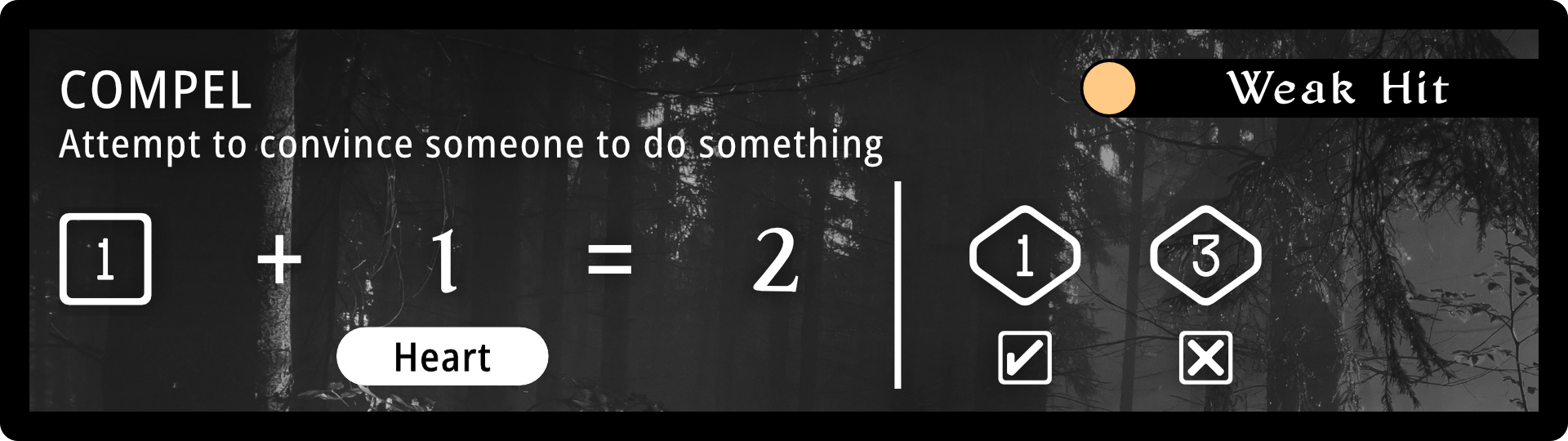
The chief was silent for a long while. Finally, she said, “I think I might believe you.”
Lucia scarcely dared breathe a sigh of relief.
“At any rate,” the chief continued, “your story makes more sense to me than the conspiracies being promulgated by those who would try to advise me.” She paused and fixed Lucia with a discerning gaze. “And you seem more honest than them too.”
The woman turned as if to leave, but then hesitated and turned back toward Lucia.
“Just tell me one thing,” she said as she looked down at the young prisoner. “Was Pendry angry with me? Did he blame me for what happened in the forest?
“I was the one who sent him on that diplomatic mission to the Hinterlands. I knew he wasn’t ready but I… I made myself believe that he was.” Here, her voice almost broke, and the self-possessed manner of a village chief slipped, gave way to that of a grieving mother worried sick about her child. “And for that, I fear that all that has happened to him has been my fault.”
Lucia thought back to the things Pendry had said to her while he was lying injured in the ravine, before they had begun their journey out of the forest.
“No,” she said truthfully. “He wasn’t angry with you, and he didn’t blame you. He said he loves you, and to apologize to you for him if he ended up not making it home.”
The answer seemed to satisfy the other woman, who gave a slight nod and quickly regained her regal composure. She turned to leave, but paused at the doorway to address Lucia one last time.
“Rest while you are able, girl,” she said. “These are dangerous times, and I fear that they grow more dangerous by the day. But I will help you if I can.”


Coming Up Next
In session 6, Lucia’s trial begins! Who will the rest of her judges be, and can she convince them to acquit her of her alleged crime?
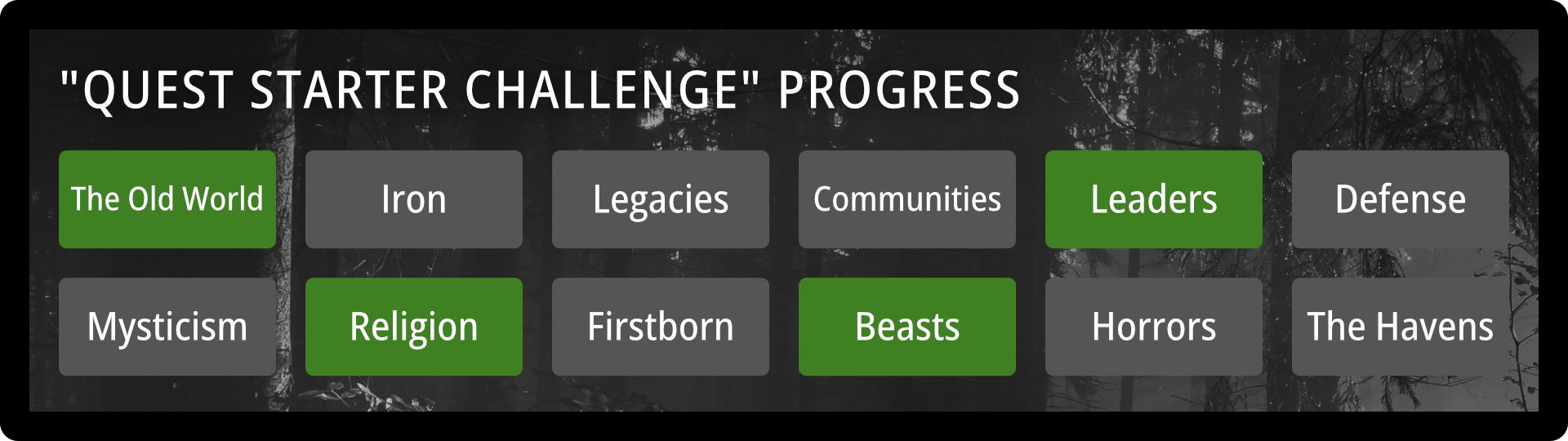
Another great chapter and especially nice to see how weak hits can still move the story forward. Was there an action+theme roll? Will there be a count down track for the skaulde new comers? Looking forward to the next session.